
 Book Now
How to Store Seasonal Items Without Cluttering Your Home
Seasonal items are easier to manage with a simple rotation system. Remove what you no longer need, clean and dry everything, group items by category, choose suitable containers and label each box clearly. Keep frequently used or sensitive belongings at home, then move bulky, approved items you only need once or twice a year into a storage unit. This article explains how to build that system for clothing, Christmas decorations, camping gear, sports equipment and gardening tools. It also helps you decide what belongs in a cupboard, garage or self-storage unit.
Table of Contents
- Seasonal Storage Solves The Space Problem
- Start with a Seasonal Storage Checklist
- Should Seasonal Items Go in the Garage or a Storage Unit?
- The Best Storage Method for Each Type of Item
- How to Use Containers, Vacuum Bags and Shelving Safely
- Common Seasonal Storage Mistakes (and How to Avoid Them)
- Seasonal Storage FAQs
- Make Seasonal Storage Work Year-Round
Seasonal Storage Solves The Space Problem
Seasonal storage works best as a rotation system. Keep the items you use now within easy reach, then move off-season belongings to a clearly labelled location at home or in storage. Giving each category a defined place makes the next changeover easier and prevents cupboards, spare rooms and the garage from filling again.
When you organise seasonal items properly, you:
- Free up space for everyday use.
- Protect items from damage, dust, and moisture.
- Avoid re-buying things you already own but can’t find.
- Make packing up and unpacking each season faster and easier.
It also stops the slow build-up most households deal with, whereby “temporary” storage quietly becomes permanent clutter.
Start with a Seasonal Storage Checklist
A useful seasonal storage checklist covers six actions: declutter, clean, categorise, choose a location, pack and label, then record what has been stored. Following the same process at every seasonal changeover stops unused belongings from gradually returning to cupboards, spare rooms and the garage.
1. Remove Items You No Longer Use
Review each category before buying containers or moving anything into storage. Keep items you still use, donate suitable belongings and dispose of anything damaged beyond repair. If an item has gone unused across several relevant seasons, decide whether it is worth storing.
2. Clean and Dry Everything
Clean each item according to its care label or manufacturer instructions. Clothing, tents, sporting gear and gardening tools must be completely dry before packing. Moisture left on fabric or metal can create avoidable storage problems.
3. Group Items by Category and Season
Store similar items together instead of packing them according to the room they came from. Categories such as ‘winter clothing’, ‘Christmas lights’ and ‘camping kitchen equipment’ are easier to retrieve than boxes labelled ‘spare room’.
4. Choose the Right Storage Location
Keep frequently used, highly sensitive or irreplaceable items somewhere suitable at home. Consider a storage unit for bulky, permitted belongings you use only during a particular season and don’t have room to store safely at home.
5. Pack and Label Each Container
Select containers based on the material and level of protection required. Label two visible sides with the category, season and a short contents list. Place heavier containers at the bottom and keep fragile or frequently accessed boxes near the front.
6. Create an Inventory and Review Date
Number each container and record both its contents and location in a phone note, photo album or spreadsheet. Use specific labels, such as “Winter – Box 2: scarves, gloves and thermals,” rather than simply “clothes.” Then note exactly where it is stored — for example, “Box 2 top shelf, rear left”— so you can find it without moving every container.
Review your inventory whenever the seasons change, or at least once a year, to clear out unwanted belongings before they begin to accumulate again.
Should Seasonal Items Go in the Garage or a Storage Unit?
Choose a storage location based on how often you need the item, how much space it takes up, how sensitive it is to heat or moisture, and whether it is permitted in a storage facility. Keep frequently used or sensitive belongings somewhere suitable at home. A storage unit is better suited to bulky, approved items needed only during a particular season.
Certain items cannot be stored in a storage unit, but a simple way to approach the decision is:
| Location | Best suited to | Examples | Decision factors | Main cautions |
|---|---|---|---|---|
| Indoor cupboard or wardrobe | Frequently used items, delicate garments and compact belongings | Seasonal clothing, shoes, small décor and accessories | Easy access, frequent use and a stable indoor environment | Avoid overcrowding and make sure items are completely clean and dry before storing |
| Garage shelving | Durable items you’ll use within the next few months or several times a year | Lightweight camping gear, sporting equipment, outdoor gear and seasonal decorations | Available shelf space, item durability and quick household access | Consider heat, moisture, dust and pests, and avoid unstable stacking |
| Self-storage unit | Bulky or overflow items used only once or twice a year | Camping gear, large sporting equipment, bulky decorations and other seasonal overflow | Limited space at home, item size and how often you need access | Check prohibited items, pack for longer-term storage and leave a clear access path |
Garages tend to turn into drop-and-go zones pretty quickly, with things getting left wherever there’s room. If you’re constantly moving things around just to park the car or find what you need, it’s a pretty clear sign you’ve outgrown your at-home storage. ‘Before taking gardening equipment, batteries, chemicals or powered equipment to a facility, check the provider’s prohibited-items rules.’
The Best Storage Method for Each Type of Item
The best storage method depends on the item, its material and how often it will be used. Clothing needs different care from fragile decorations, camping gear or garden tools. Clean and dry each item first, then choose packaging that protects it without unnecessary crushing or prolonged compression.
| Item type | Suitable packing approach | Possible location | Main risk |
|---|---|---|---|
| Everyday seasonal clothing | Wash and dry thoroughly, then pack in clean, lidded tubs or suitable garment bags | Indoor cupboard or dry storage unit | Moisture, crushing and prolonged compression |
| Delicate or structured garments | Clean thoroughly and store in breathable garment bags or material-appropriate archival packaging | Suitable indoor storage | Trapped moisture, creasing and loss of shape |
| Christmas ornaments | Wrap fragile pieces individually and pack in divided or compartmented cartons | Home shelving or storage unit | Breakage and crushing |
| Lights and cables | Coil individually, secure loosely and label before packing | With other Christmas items | Tangling and damaged connections |
| Camping gear | Clean and air thoroughly before storing in bags or tubs appropriate for each item | Garage or approved storage unit | Damp, mould, odours and compression |
| Sports equipment | Clean and dry thoroughly, then protect delicate surfaces and contact points | Garage rack or storage unit | Moisture, salt, sweat, corrosion and impact |
| Gardening tools | Remove dirt, dry thoroughly and cover or protect sharp edges | Locked garage or approved storage unit | Corrosion, sharp edges and storage restrictions |
Clothing and Bedding
Wash or clean clothing according to its care label and allow it to dry completely. Fold knits rather than hanging them, and use breathable garment bags for structured or delicate pieces. Avoid long-term compression, which can damage loft, shape, or fibres.
For more information, see More Space Storage’s guide on how to organise and store winter clothes.
Christmas Decorations
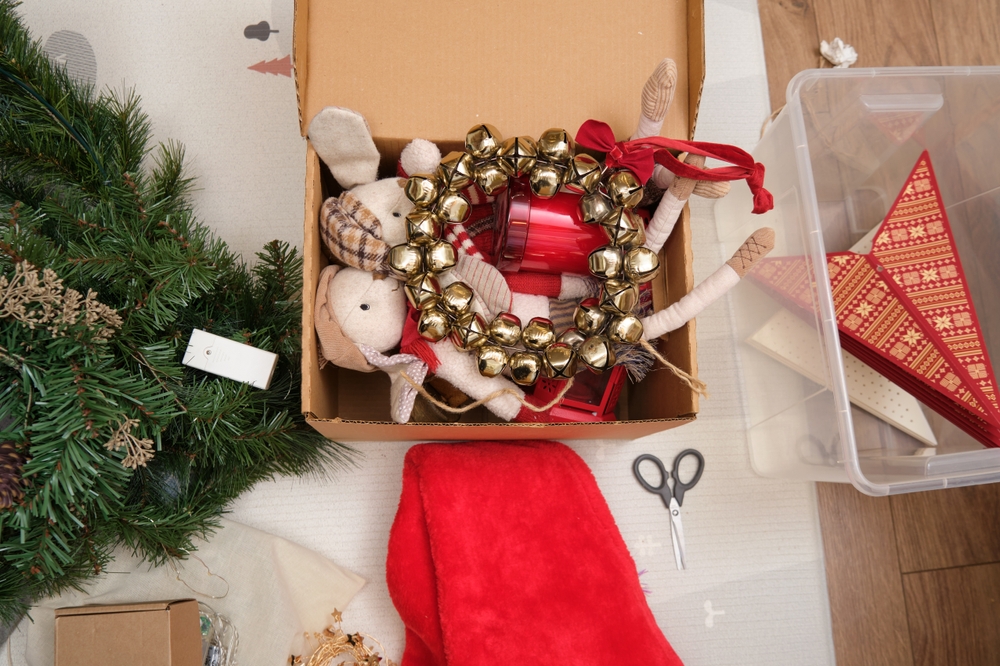
Separate fragile ornaments, lights, wreaths and artificial-tree pieces before packing. Wrap fragile decorations individually, use dividers where possible and coil each light set separately. Keep wreaths and tree branches in containers that will not crush their shape.
For more detailed advice, read the complete Christmas decoration storage guide.
Camping Gear
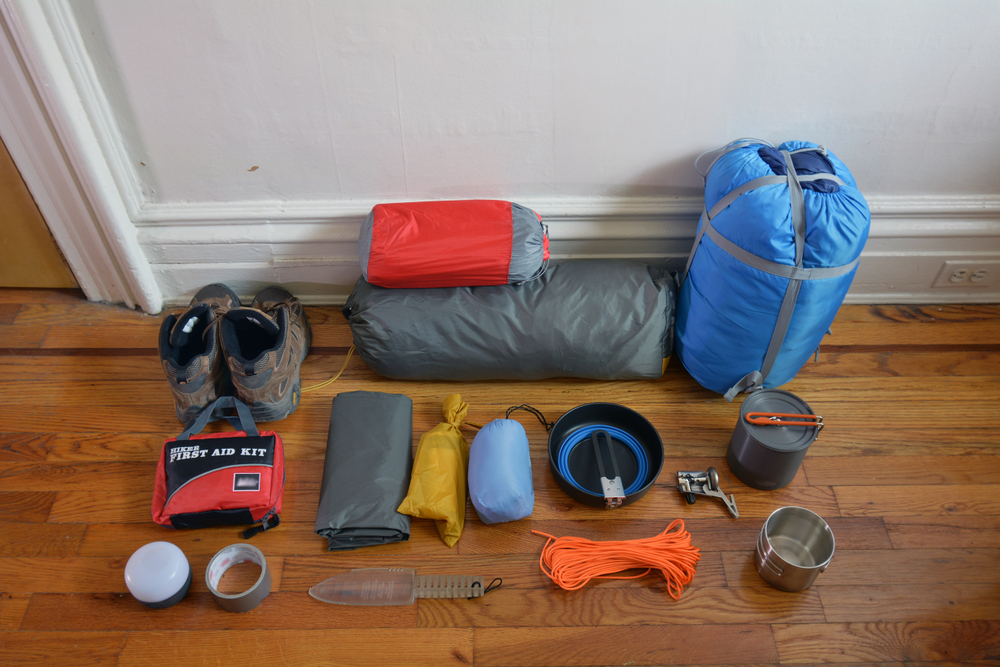
Air tents, sleeping bags and fabric chairs before packing them. Store sleeping bags according to the manufacturer’s instructions and avoid leaving insulated items tightly compressed for long periods. Keep clean metal utensils and accessories dry and separated from damp fabric.
Sporting Equipment
Remove dirt, salt and sweat before storing sports equipment. Dry the item completely, protect easily scratched surfaces and keep bikes, boards and long equipment supported so they cannot fall or carry the weight of other boxes.
You can also learn how to prepare sporting equipment for storage.
Gardening Tools
Clean soil and plant matter from gardening tools, dry metal surfaces, and protect sharp edges. Check the storage provider’s rules before packing batteries, chemicals or powered equipment. Do not place fuel, oil, or other prohibited materials in the unit.
Always check what cannot be stored in a unit before taking gardening equipment to a storage facility.
How to Use Containers, Vacuum Bags and Shelving Safely
Choose containers and shelving based on the item, rather than using one packing method for everything. Durable household items often suit lidded tubs, while delicate garments or insulated bedding may need breathable or uncompressed storage. Keep labels visible, and keep every shelf or stack stable and easy to access.
Choose Containers to Suit the Item
Use clean, sturdy containers that suit the item. Lidded plastic tubs work well for many durable household belongings, while delicate or natural-fibre clothing may be better in a breathable garment bag. Everything must be completely clean and dry before packing.
See More Space Storage’s storage and packing tips for more information. If you need supplies, you can also explore its packing boxes and materials.
Label Every Container Clearly
Label at least two visible sides of every container with the category, season and a short contents list. Number the box and keep the same number in a phone note or simple spreadsheet if you have several containers.
Use Vacuum Bags Selectively
Vacuum bags can reduce the space taken up by some robust textiles, but they are not suitable for every garment or bedding material. Check the care instructions first, and avoid prolonged compression of down-filled, structured, leather, woollen or delicate items.
Vacuum sealing also does not compensate for damp packing: every item must be completely clean and dry before storage.
Use Shelving and Vertical Space Safely
Use stable shelving with a suitable load rating, place heavier containers on lower shelves and keep frequently used boxes near the front. Avoid high, unstable stacks that must be moved whenever one item is needed.
Check the manufacturer’s care instructions or seek specialist conservation advice before storing valuable, antique or highly delicate belongings.
Common Seasonal Storage Mistakes (and How to Avoid Them)
- Packing damp items: Moisture becomes trapped with the item. Clean and dry everything before sealing the container.
- Creating boxes that are too heavy: Containers become difficult to carry and may damage lighter boxes. Spread books, tools and other dense belongings across smaller cartons.
- Blocking access: Seasonal items cannot be retrieved without unloading the space. Leave a walkway and keep the next season’s boxes near the front.
- Storing prohibited products with gardening gear: Fuel and chemicals may not be accepted. Check the facility rules before arrival.
If the amount in storage continues to grow, review the inventory once a year and remove items that no longer earn the space they occupy.
Seasonal Storage FAQs
1. How do you store seasonal items in a small home?
Keep the current season’s items in accessible cupboards or shelving, then move bulky belongings you rarely need to another suitable location. Use vertical shelving, under-bed space and clearly labelled containers, but avoid overcrowding areas that need airflow or regular access.
2. What containers are best for seasonal storage?
No single container suits every item. Clean lidded tubs work well for many durable household belongings, while delicate or natural-fibre garments may need breathable storage. Use divided cartons for fragile decorations and follow the manufacturer’s guidance for technical or insulated gear.
3. Should seasonal items go in the garage or a storage unit?
Keep items at home when they are used regularly, fit safely in the available space or need more suitable indoor conditions. A storage unit may be useful for bulky, permitted items needed only once or twice a year.
4. Can seasonal clothing and bedding be vacuum-sealed?
Some robust textiles can be vacuum-packed to save space, but delicate, structured, woollen or down-filled items may be damaged by prolonged compression. Check the care instructions and ensure every item is completely dry before packing.
5. How often should seasonal storage be reviewed?
Review stored belongings whenever you rotate seasons or at least once a year. Update the inventory, remove items you no longer use and move the next season’s containers closer to the access point.
Make Seasonal Storage Work Year-Round
A seasonal storage system should make your next changeover easier, not simply move clutter into another corner. Review what you need to keep, label each container clearly and choose a location based on access, item size and storage conditions.
If bulky seasonal belongings are taking over your cupboards or garage, you can compare our storage unit sizes or request a quote for the Molendinar facility.