
 Book Now
Storage During a Home Renovation | A Practical Guide
During a renovation, you can keep furniture in a spare room, a dry garage or shed, a portable storage container, a trusted person’s property, or an off-site self-storage unit. The right option depends on how much furniture you need to move, how long the work will take and how often you need access to your belongings.
Small, single-room projects may only require moving furniture elsewhere in the home. For flooring replacement, structural work or renovations affecting several rooms, external storage can keep bulky and vulnerable items away from dust, paint, moisture and busy access routes.
This guide compares the main renovation storage solutions and explains what to keep nearby, what to move out and how to prepare furniture and appliances for short-term storage.
Table of Contents
- Where Can You Store Furniture During a Renovation?
- How Short-Term Storage Helps Keep a Renovation on Track
- When Does Temporary Storage Make Sense?
- What Should You Keep at Home or Move Into Storage?
- How to Pack Furniture and Appliances for Storage
- How to Protect Furniture From Renovation Dust and Damage
- Storage Tips for Different Renovation Projects
- Renovation Storage FAQs
- Make Your Renovation Easier With the Right Storage Setup
Where Can You Store Furniture During a Renovation?

The main options are another room in your home, a garage or shed, a portable container, space offered by someone you trust, or an off-site self-storage unit. The best choice depends on the available space, renovation scope, furniture type, transport requirements and how often you need access.
| Storage option | Usually suitable for | Points to check |
|---|---|---|
| Spare room | Small or single-room renovations | Outside the work zone; remains accessible |
| Garage or shed | Short projects with dry, secure space | Leaks, humidity, pests, temperature and trade access |
| Portable container | Projects needing on-site access | Driveway space, approvals, delivery fees and weather |
| Friend or family property | A small number of items | Permission, access, insurance and security |
| Self-storage facility | Multi-room work, bulky items or limited home space | Unit size, access, security, transport, insurance and flexibility |
A storage area inside the home may be enough for a quick, contained project. Off-site storage becomes more practical when furniture would otherwise block walkways, be moved repeatedly or remain exposed to work affecting several rooms.
How Short-Term Storage Helps Keep a Renovation on Track
Short-term storage keeps furniture out of work areas and reduces repeated handling while a renovation is underway. It also leaves clearer access for tradespeople and makes it easier to separate everyday essentials from items you will not need until the project is finished.
- Without a clear storage plan, you may end up:
- Moving the same furniture whenever work shifts to another room.
- Blocking hallways, doors or access to tools and materials.
- Leaving furniture close to dust, paint, debris or moisture.
- Packing away everyday items you’ll need later.
- Storing boxes without a clear loading or retrieval order.
Before the work starts, identify one accessible area for everyday essentials and a separate location for everything that can remain packed.
When Does Temporary Storage Make Sense?
External storage makes sense when your home does not have a clean, secure area large enough for the furniture displaced by the renovation. It can also be useful when several rooms are affected or when large items would need to be moved more than once.
Consider temporary furniture storage when:
- Flooring work requires rooms to be completely cleared.
- Demolition, sanding or structural work will create significant dust.
- Furniture would block entry points or work areas.
- You are renovating several rooms at the same time.
- Your garage or spare room is already full.
- You have timber, leather, upholstered, electronic or fragile items that need a more suitable environment.
- You will be living elsewhere while the work is completed.
You may be able to keep furniture at home when:
- The work is limited to one contained room.
- Another clean room is available outside the work zone.
- The project will not block access between living areas.
- The furniture can be moved once and left safely in place.
- Your builder or tradesperson confirms that the proposed storage area will not interfere with the work.
Ask the contractor which rooms and access routes must be clear before choosing a storage location. Allow some flexibility in case the work takes longer or expands into another area.
Before deciding on a storage setup:
- Ask which rooms and access routes must be clear.
- List and measure furniture and appliances that need to move.
- Separate daily essentials from items that can remain packed.
- Estimate how often you’ll access stored items.
- Check transport, storage conditions, insurance and schedule flexibility.
What Should You Keep at Home or Move Into Storage?
Keep an item at home if you use it regularly and have a clean, accessible place for it. Move it into storage if it is bulky, vulnerable to dust or likely to obstruct the work.
For a broader packing plan, see how to store your belongings safely before renovating.
Keep at home
- Medication, important documents and valuables requiring personal control.
- Daily clothing, toiletries and other household essentials.
- A small set of cookware and appliances for a temporary kitchen.
- Work or school equipment needed during the renovation.
- Small furniture that can remain in a clean room without blocking access.
- Cleaning supplies required outside the construction zone.
Move into storage
- Sofas, dining tables, bed frames and other bulky furniture.
- Appliances not used during the project.
- Artwork, mirrors, electronics and fragile decorative pieces.
- Upholstered, timber or leather furniture exposed to renovation dust or moisture.
- Boxes and household items not required until the project is complete.
- Anything obstructing walkways, doors or access to the work area.
Do not pack frequently used items behind large furniture. If you may need something during the renovation, label it clearly and keep it near the front of the storage space.
How to Pack Furniture and Appliances for Storage
Careful preparation can reduce scratches, breakages and moisture problems while furniture and appliances are being moved or stored. Clean and dry each item, follow its care instructions and choose packing materials suited to its surface.
Clean and Dry Everything
Wipe down furniture, clean appliances and make sure everything is completely dry before packing. Follow the manufacturer’s or material care instructions for timber, leather, upholstery and other delicate finishes.
Disassemble Larger Furniture
Remove legs, shelves, or detachable sections where the manufacturer’s design allows. Photograph the furniture before disassembly and label each component. Place screws and fittings in a labelled bag, but do not tape the bag directly to polished timber, fabric or another delicate finish.
Choose the Right Protective Materials
Use clean moving blankets or breathable furniture covers on sofas, timber furniture and other large pieces. Bubble wrap and corner protectors can help shield fragile edges, glass, and smaller components, but do not leave bubble wrap directly against delicate finishes without an appropriate protective layer.
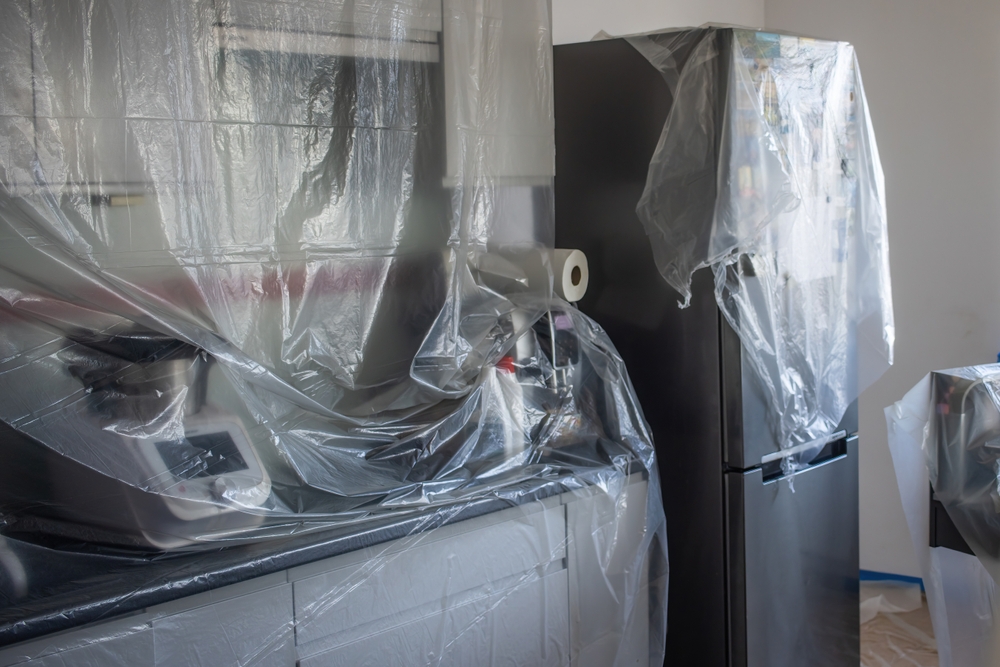
Plastic sheeting is useful for sealing off a work zone or protecting items briefly during transport. Avoid wrapping upholstered or timber furniture tightly in non-breathable plastic for extended storage, as trapped moisture may cause mould, odours or surface damage.
For kitchen items, follow the existing guides to packing glassware and storing knives safely. For antiques, valuable artwork or specialist finishes, follow the maker’s care directions or seek specialist advice.
Prepare Appliances Carefully
Check the manufacturer’s instructions before moving or storing an appliance. Empty, clean, and dry it thoroughly; drain any remaining water, and secure loose shelves or fittings. Fridges and similar appliances should generally remain upright and may require the door to be left slightly open while stored to allow airflow.
More detailed preparation steps are available in the existing guides to storing a fridge and storing kitchen appliances.
Label Boxes and Create an Inventory
Number each box, label it by room and record its main contents in a simple inventory. Place items you may need during the renovation near the entrance and leave a safe path through the storage space where possible.
Storage-unit size depends on the number and dimensions of the items being moved, not only the number of rooms being renovated. Make a furniture list and measure unusually large pieces before requesting a unit.
How to Protect Furniture From Renovation Dust and Damage
Furniture protection depends on whether the item is staying at the property or being moved into storage. Furniture left near the work zone needs protection from construction dust and accidental impact, while stored furniture also needs suitable wrapping, airflow and stacking.
Furniture Kept at Home
- Move furniture into a room outside the construction zone where possible.
- Use plastic sheeting and painter’s tape to help separate the work zone from clean areas.
- Cover furniture with clean, breathable covers rather than wrapping upholstered pieces tightly in plastic.
- Keep electronics, artwork and delicate furniture well away from sanding, demolition and painting.
- Do not place furniture in walkways or areas used to carry tools and building materials.
- Confirm with the contractor that the chosen room will remain outside the work area.
Furniture Moved Into Storage
- Clean and dry every item before covering it.
- Use moving blankets or breathable covers on large furniture.
- Protect corners, glass and delicate components separately.
- Keep furniture raised from the floor where suitable and avoid placing heavy boxes on sofas or delicate surfaces.
- Store frequently needed boxes close to the entrance.
- Photograph valuable items and check what protection your household or storage insurance provides.
- If there is no clean area separated from the renovation, moving valuable or difficult-to-replace furniture off-site may reduce its exposure to dust and repeated handling.
Storage Tips for Different Renovation Projects
The best storage setup depends on how completely the room must be cleared and whether you still need access to its contents. Confirm the required clearance with the contractor before moving furniture or appliances.
Kitchen renovation storage
Kitchens often need to be emptied before cabinets, flooring or services can be replaced. Keep only the cookware, food and small appliances required for a temporary kitchen. Pack less-used dishes and pantry items in labelled containers, then move large appliances according to the contractor’s schedule and the manufacturer’s handling instructions.
Bathroom renovation storage
Remove towels, linen, toiletries and personal self-care items before demolition begins. Keep daily toiletries and personal items in a clearly labelled container in another room. Linen, timber cabinets and other moisture-sensitive items should not remain near the bathroom work zone.
Flooring replacement
Flooring installers may need to remove every item from the affected room. Ask whether the work will be completed one room at a time or across the whole home. Staged work may allow furniture to be moved between finished areas, while whole-home flooring usually requires a separate storage location.
Painting projects
For a small painting job, furniture may only need to be moved to the centre of the room and covered if the painter confirms that this leaves enough access. Full-room preparation, ceiling work or spray painting may require furniture to be removed completely.
Renovation Storage FAQs
1. Should You Move Furniture During a Renovation?
Remove furniture when it blocks the work area or could be exposed to dust, paint, moisture, or repeated handling. For a small project, moving furniture into another clean room may be enough, provided the contractor confirms it will not affect access.
2. How Long Can Furniture Stay in Storage During a Renovation?
Furniture can remain in storage for the duration of the project if it is prepared correctly and the storage environment suits its materials. Allow some flexibility for schedule changes, and check stored items periodically if the renovation lasts longer than expected.
3. How Do You Protect Furniture From Construction Dust?
Move furniture outside the work zone where possible and separate clean areas with well-secured sheeting. Cover furniture with clean, breathable materials, and avoid sealing upholstery or timber tightly in plastic for extended periods because trapped moisture may cause damage.
4. How Should Appliances Be Stored During a Renovation?
Empty, clean, drain and dry appliances before moving them. Secure loose components and follow the manufacturer’s transport and storage instructions. Fridges and similar appliances should generally remain upright and may need their doors left slightly open during storage.
5. What Size Storage Unit Do You Need for Renovation Furniture?
The required size depends on the dimensions and number of items, how efficiently furniture can be disassembled and whether you need a walkway or regular access. Create an item list and measure large pieces before asking the storage provider to recommend a unit.
6. Does Home Insurance Cover Furniture Kept in Self-Storage?
Cover varies between insurers and policies. Contact your insurer before moving valuable belongings and ask whether items remain covered off-site, what events are included and whether separate storage insurance is required.
Make Your Renovation Easier With the Right Storage Setup
A suitable storage setup can keep bulky furniture away from the work zone while leaving everyday essentials within reach. Before choosing a unit, list what you need to store, measure larger pieces and consider how often you may need access during the renovation.
More Space Storage provides flexible storage on the Gold Coast for furniture, appliances and household belongings. Visit our Molendinar facility or call (07) 5594 9739 to discuss how much space your renovation may require.